
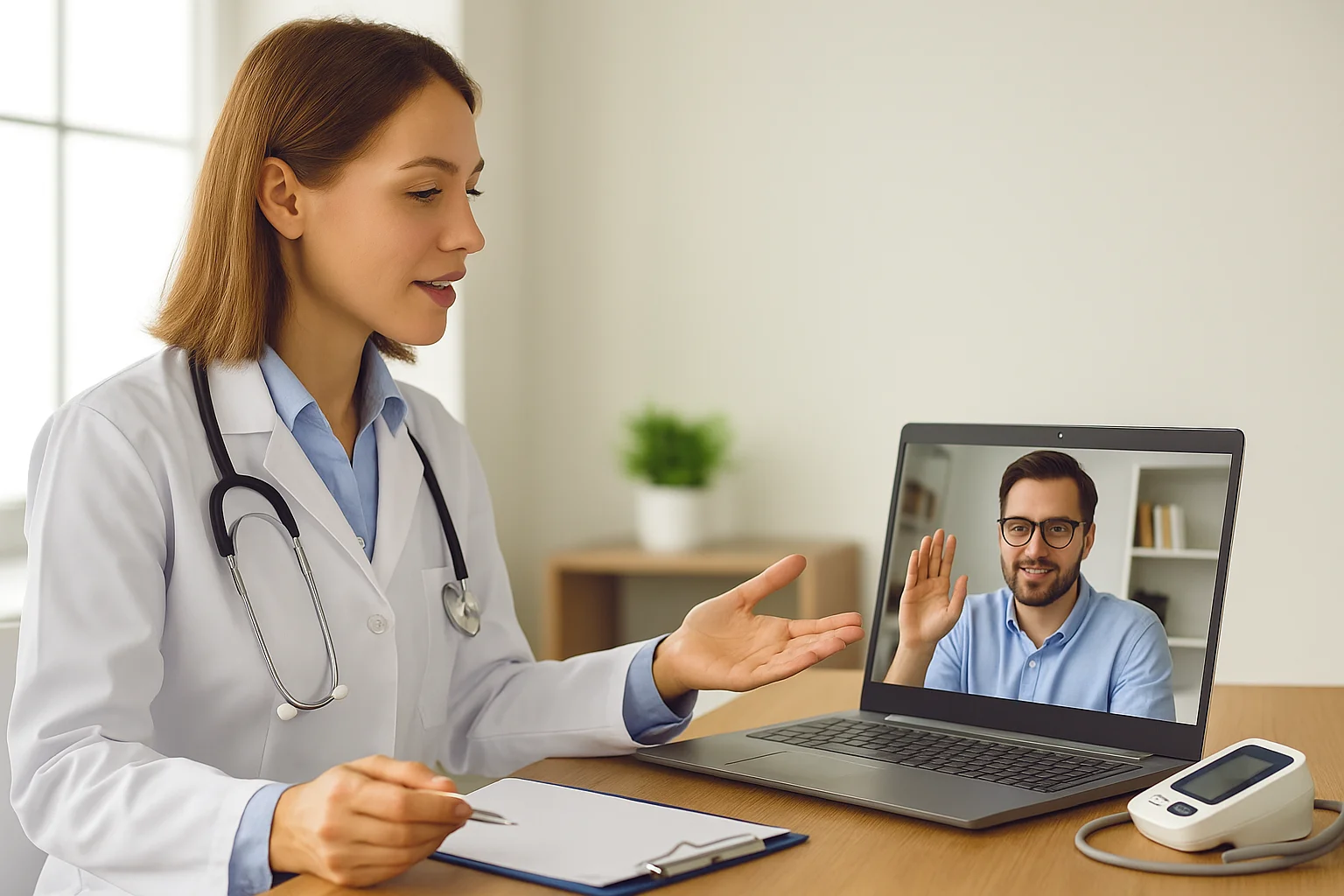
Teleconsultation: Beyond Video, the Connected Clinical Experience
Teleconsultation: beyond video, the connected clinical experience
In the previous article, “The digital patient: how the doctor-patient relationship changed in 10 years”, we explored how technology transformed communication and the patient's role within the healthcare system. Now we take one more step: teleconsultation, the technological bridge that not only brings doctors and patients closer together but also redefines what we understand as medical care.
From video call to connected clinical experience
In the early years, teleconsultations were basically a video call in a white coat. They were useful, yes, but limited. Today, telemedicine has evolved into a much more complete experience. Modern teleconsultation integrates medical records, connected medical devices, artificial intelligence and continuous follow-up platforms. It is no longer just about “seeing and talking”, but about assessing, diagnosing and acting remotely.
For example, a doctor can review a patient's vital signs in real time thanks to a smartwatch, analyze the results from a digital laboratory and issue an electronic prescription without anyone leaving home. All in a secure, validated environment documented in the cloud.
The new ecosystem of remote care
Teleconsultation is today a fundamental piece of the digital health ecosystem. It connects platforms, data and people. It allows a specialist in Madrid to treat a patient in Quito, a cardiologist to review an electrocardiogram in seconds or a pediatrician to follow a child's progress through automatic reports sent by their parents.
This model eliminates borders and downtime. The patient no longer “goes to the doctor”: the doctor reaches them through technology.
Trust and emotional connection in the digital world
One of the biggest challenges of teleconsultation is not technological but human: how do you maintain empathy when the patient is miles away? The answer lies in the connected experience. When systems run smoothly, images are sharp and medical information is accessible, technology disappears and only the conversation remains. The patient feels heard, understood and supported, even without a desk between them.
Security, ethics and trust
The privacy of medical data is a pillar of this revolution. Teleconsultation platforms use end-to-end encryption, secure authentication and storage that complies with international standards (such as HIPAA or GDPR). The challenge is not only to protect information, but also to educate patients so they know their information is in good hands.
Teleconsultation as a tool for equity
Beyond convenience, telemedicine has proven to be a tool for inclusion. People living in rural areas, older adults with reduced mobility and patients with chronic diseases find in teleconsultation an opportunity to access timely medical care, without geographic barriers or endless waits.
In a world where healthcare tends to be concentrated in large cities, teleconsultation restores the balance: it brings medicine where it never reached before.
Conclusion
Teleconsultation is not the future: it is already the present. It is the natural culmination of a process that began with digitization, continued with smart medical records and matured with the empowerment of the digital patient. Today, doctor and patient are more connected than ever, not by cables or screens, but by data, trust and purpose.
← Previous: The digital patient: how the doctor-patient relationship changed in 10 years
Next: Clinical process automation: which tasks doctors will stop doing →
Related Articles
Keep exploring similar content.
The Future Is Hybrid: Human Medicine + Artificial Intelligence
The future of medicine is neither human nor artificial: it is hybrid. An alliance between the doctor's empathy and the precision of algorithms that promises to save more lives and provide better care.
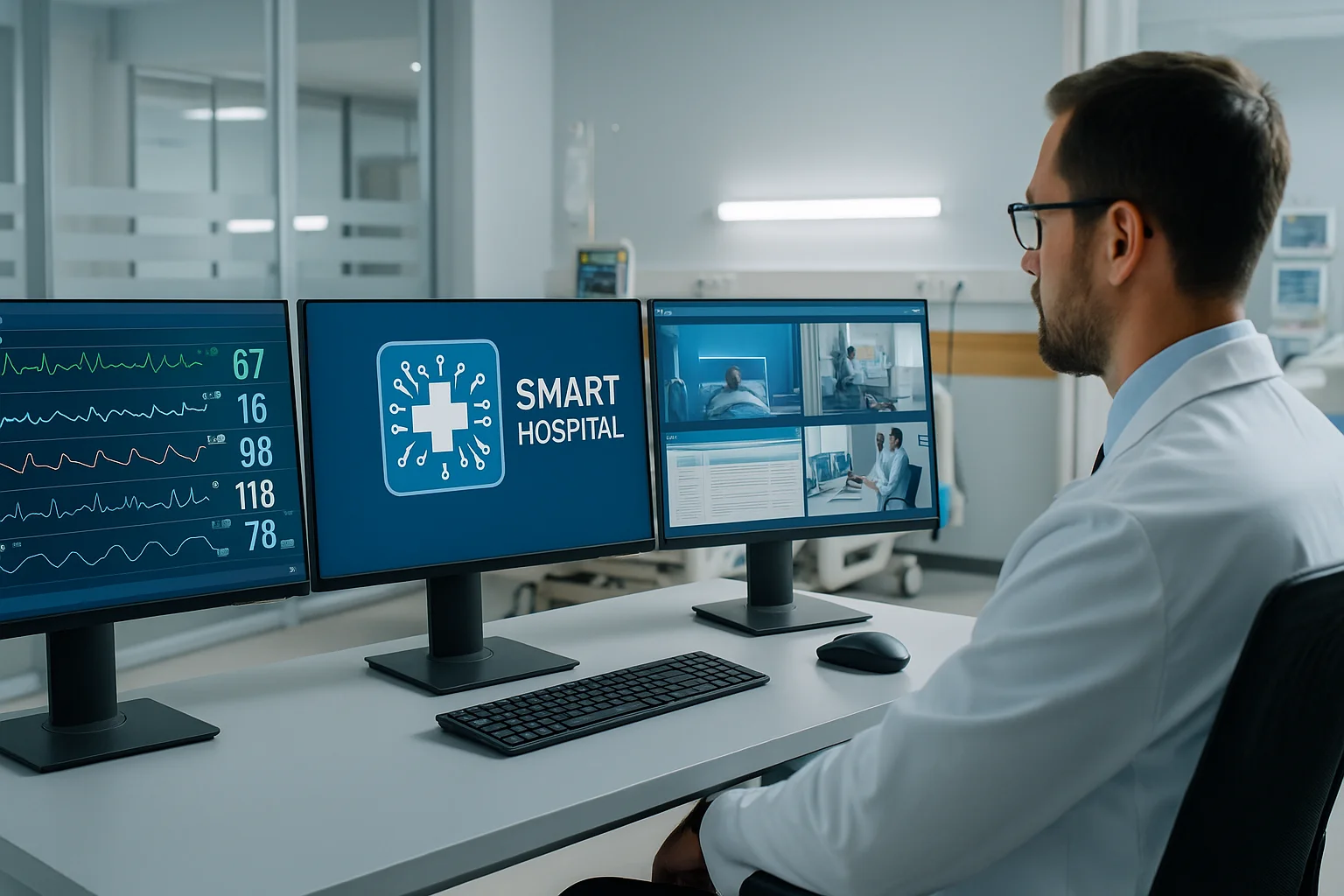
Smart Hospitals: What Healthcare Will Look Like in 2030
By 2030, hospitals will not just be buildings: they will be digital ecosystems where artificial intelligence, robotics and data come together to deliver personalized, safe and more human care.

Ethics, Privacy and Consent in Digital Medicine
Ethics, privacy and consent are the three pillars of modern digital medicine: they ensure that technology protects patient data and respects human will in every digital decision.