

The Digital Patient: How the Doctor-Patient Bond Changed in 10 Years
The digital patient: how the doctor-patient relationship changed in 10 years
In the previous article, “Smart medical records: the heart of the new healthcare system”, we explored how data turned into knowledge and how technology began to beat to the rhythm of health. But this transformation did not only change hospitals or systems; it also changed the protagonist of the whole story: the patient.
From passive recipient to active protagonist
Just a decade ago, the patient was a spectator within the healthcare system. They waited for diagnoses, accepted treatments and rarely had full access to their own medical information. Today, that reality has changed completely. The digital patient checks results online, reviews their medical record from their phone, books appointments with one click and even monitors their vital signs with a smartwatch.
This new role is not just about convenience. It is about autonomy. The patient stopped being a passive subject and became an informed, empowered participant. Their relationship with the doctor is no longer based only on trust, but also on collaboration.
Medicine became a conversation
The old vertical model —where the doctor spoke and the patient listened— gave way to a horizontal dialogue. Digital platforms, telemedicine and patient portals have opened a direct communication channel, where distance is no longer a barrier and information flows transparently.
Today, a video call can replace an in-person visit, a chat can resolve an urgent question and a dashboard can show the progress of a treatment in real time. Care became more continuous, closer and more human, paradoxically thanks to technology.
The psychological impact of control
Knowing your own health indicators has a powerful psychological effect: a sense of control. When patients understand their data, they become more involved in their well-being. They do not wait to get sick to act. They adopt healthy habits, question, compare, research. And although this sometimes calls for more medical guidance to avoid misinformation, it also fosters a society that is more aware of and engaged in its own care.
Challenges of the new doctor-patient relationship
The change has not been easy. Doctors have had to adapt to more informed and demanding patients. They have learned to handle data from wearables, apps and portals. They have had to balance personalized care with the intensive use of technology. But deep down, this change represents an opportunity: rebuilding trust through transparency and collaboration.
The bridge between technology and humanity
The digital patient does not replace the human relationship; it amplifies it. Thanks to digital tools, doctors can spend more time listening, analyzing and empathizing, because intelligent systems take care of the repetitive tasks. Technology thus becomes what it always should have been: an instrument in the service of human care.
Conclusion
The digital patient is the natural consequence of a healthcare evolution that began with digitization and matured with smart medical records. Today, every medical interaction is part of a living network where data, emotions and technology converge. And the most fascinating part is that this is only the beginning: the next step will be understanding how artificial intelligence redefines the way doctors and patients make decisions together.
← Previous: Smart medical records: the heart of the new healthcare system
Next: Teleconsultation: beyond video, the connected clinical experience →
Related Articles
Keep exploring similar content.
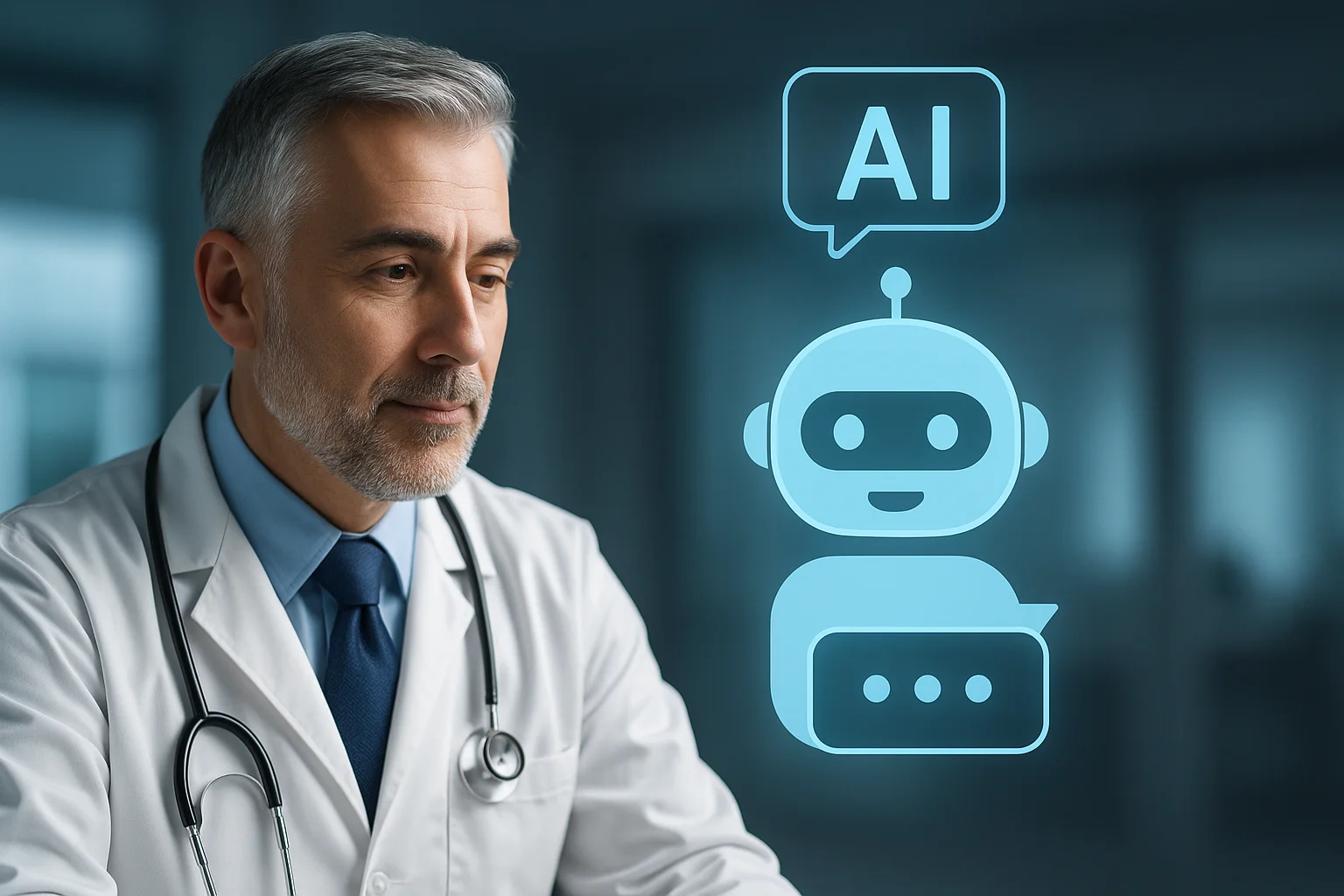
The Future Is Hybrid: Human Medicine + Artificial Intelligence
The future of medicine is neither human nor artificial: it is hybrid. An alliance between the doctor's empathy and the precision of algorithms that promises to save more lives and provide better care.
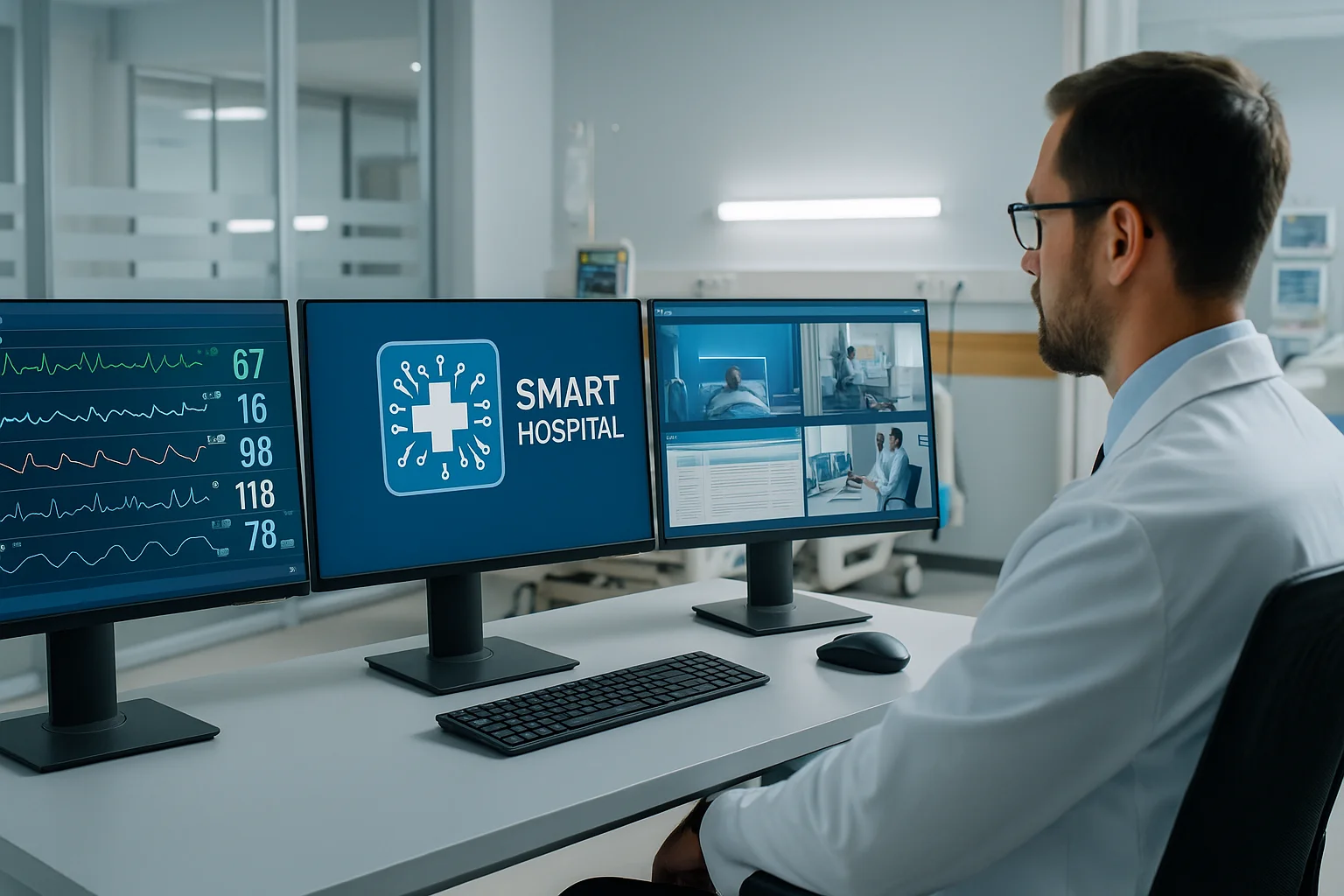
Smart Hospitals: What Healthcare Will Look Like in 2030
By 2030, hospitals will not just be buildings: they will be digital ecosystems where artificial intelligence, robotics and data come together to deliver personalized, safe and more human care.

Ethics, Privacy and Consent in Digital Medicine
Ethics, privacy and consent are the three pillars of modern digital medicine: they ensure that technology protects patient data and respects human will in every digital decision.