
The Birth of the Digital Health Ecosystem: From Paper to the Cloud
The birth of the digital health ecosystem: from paper records to the cloud
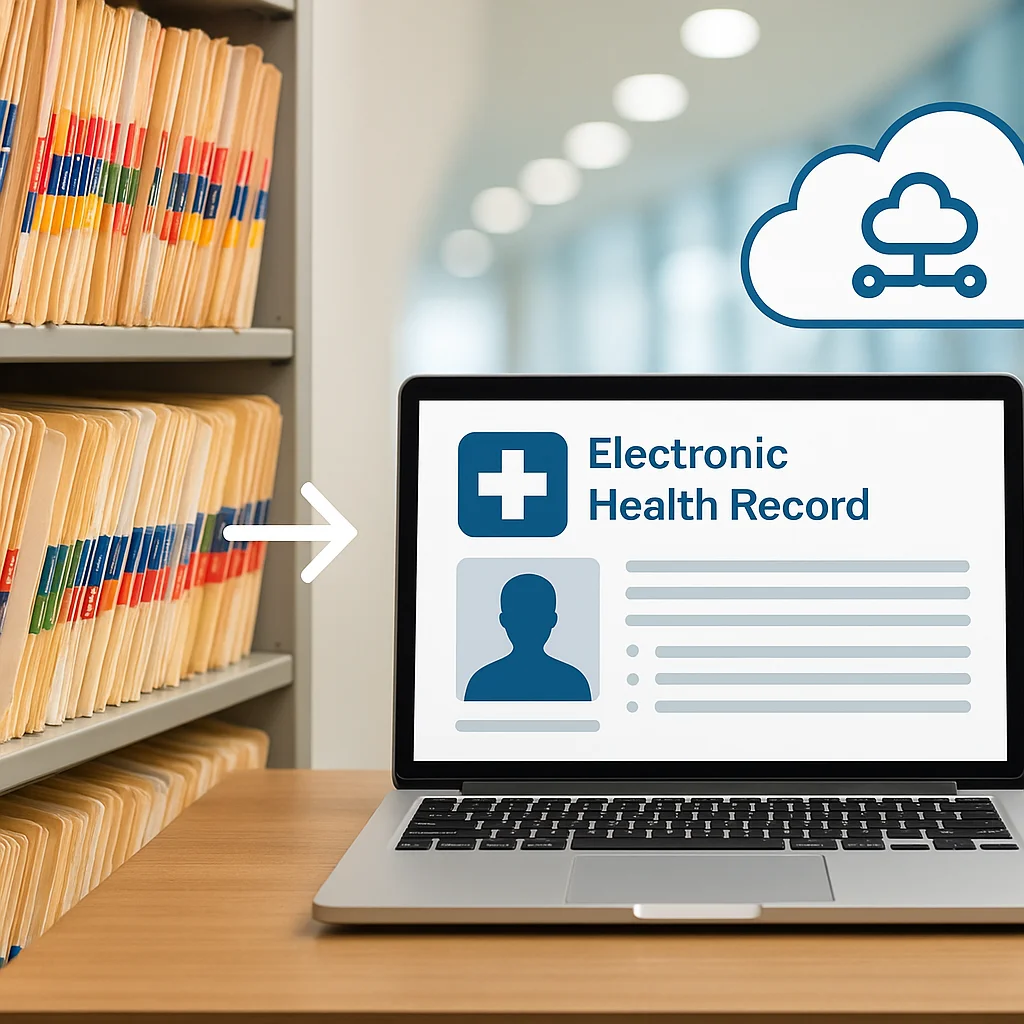
For decades, hospitals and clinics ran to the sound of metal filing cabinets and yellowed folders full of medical records. Every consultation was an almost archaeological act: digging through piles of paper, deciphering impossible handwriting and hoping the ink had not faded over time. It was a slow, costly system and, above all, vulnerable to human error.
But the technological revolution reached medicine too. What began as a simple digitization of records became a digital health ecosystem, where data stopped being static and turned into living knowledge. Systems began to talk to each other, platforms became connected, and healthcare professionals could access their patients' information in real time, from anywhere in the world.
From bureaucracy to intelligent data
The first stage was digitization: turning physical records into electronic documents. However, the real change came later, when artificial intelligence, big data and cloud computing made it possible not only to store information but to interpret it. Digital health stopped being a technological luxury and became a strategic necessity.
Today, medical systems can predict diseases, automate diagnoses and connect patients with specialists in seconds. The cloud does not just store information; it turns it into decisions. Every click in a medical record means less waiting time, fewer errors and, above all, more human care.
An ecosystem that is just getting started
The digital health ecosystem is not limited to hospitals. It includes mobile apps, wearable devices, telemedicine platforms and integrated management systems. It is a living network where doctors, patients, pharmaceutical companies and insurers share a common language: that of reliable, accessible data.
And although the road has not been free of challenges —privacy, cybersecurity, interoperability—, the trend is clear: the medicine of the future is not written in ink, but in algorithms.
Conclusion
The leap from paper records to the cloud was more than a technological change; it was a cultural revolution. It meant leaving behind dependence on physical archives and embracing a new way of understanding health: as a continuous flow of information in the service of life. The story is just beginning, and the next chapter is being written in the cloud.
Next: The birth of the digital health ecosystem: from paper records to the cloud →
Related Articles
Keep exploring similar content.
The Future Is Hybrid: Human Medicine + Artificial Intelligence
The future of medicine is neither human nor artificial: it is hybrid. An alliance between the doctor's empathy and the precision of algorithms that promises to save more lives and provide better care.
Smart Hospitals: What Healthcare Will Look Like in 2030
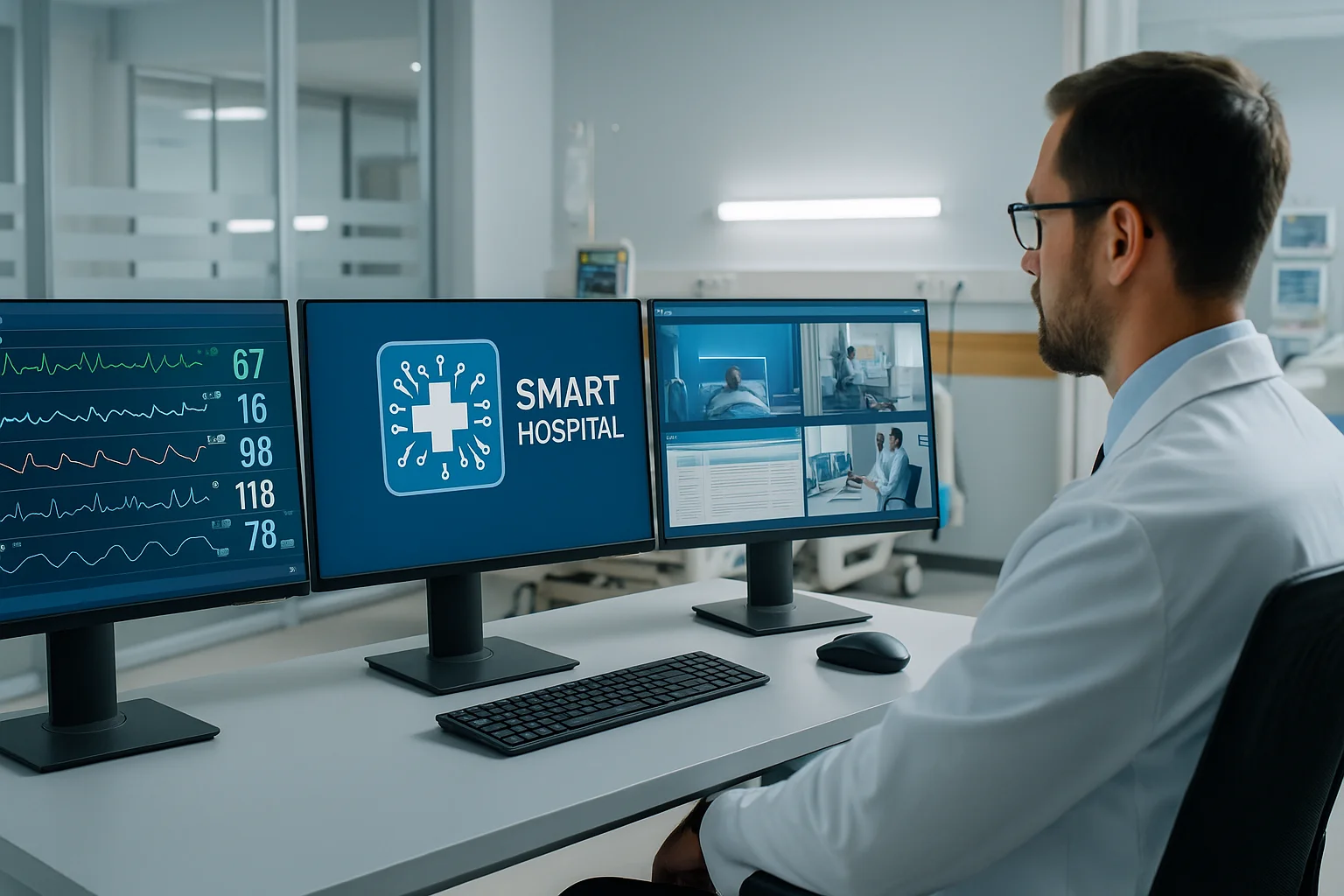
By 2030, hospitals will not just be buildings: they will be digital ecosystems where artificial intelligence, robotics and data come together to deliver personalized, safe and more human care.

Ethics, Privacy and Consent in Digital Medicine
Ethics, privacy and consent are the three pillars of modern digital medicine: they ensure that technology protects patient data and respects human will in every digital decision.