

For decades, the agricultural sector relied on manned aircraft that were not only dangerous for pilots and people on the ground, but were also inefficient and had the added disadvantage of covering the entire area, and some neighboring sectors as well, with chemicals and pesticides that were only needed in a small section of the farm. According to Bobby Valentine, drone technology, combined with advanced sensors, has revolutionized precision agriculture, offering farmers an unprecedented level of efficiency, productivity and sustainability. Drones equipped with high-resolution cameras, lidar, thermal imaging and multispectral sensors are used to capture a large amount of data on specific crops and farmland conditions. This data provides valuable information on plant health, moisture levels, nutrient content and pest infestations. With this information, farmers can make data-driven decisions to optimize their irrigation, fertilization and pest management strategies.
Related Articles
Keep exploring similar content.

Cybersecurity for SMEs in Ecuador: Comply with the LOPDP and Cybersecurity Law
SMEs in Ecuador face new legal obligations with the enforcement of the LOPDP and the recent Organic Law for Strengthening Cybersecurity. This article explains how to comply with these regulations to protect personal data and avoid penalties.

Cancelling SRI Invoices: Your Deadline Is October 7
September invoices can only be cancelled until October 7. What the SRI rule says and 5 habits to avoid missing the deadline.
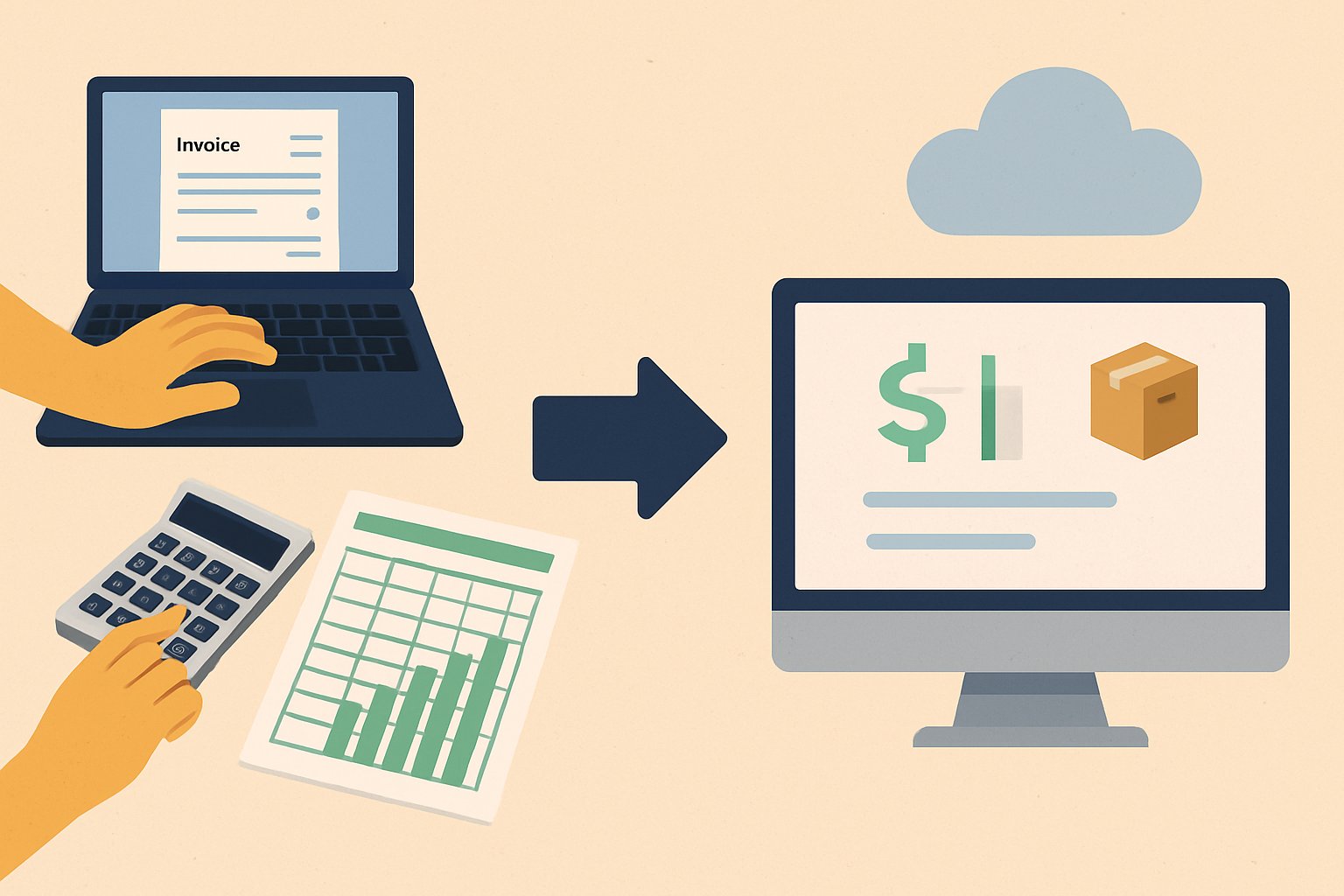
Invoices in One Place, Stock in Another: Unify Them
Invoicing in one system and tracking stock in Excel means doing the work twice. This is how a business changes when everything lives in one place.