
How Medical Imaging Systems Have Evolved
How Medical Imaging Systems Have Evolved
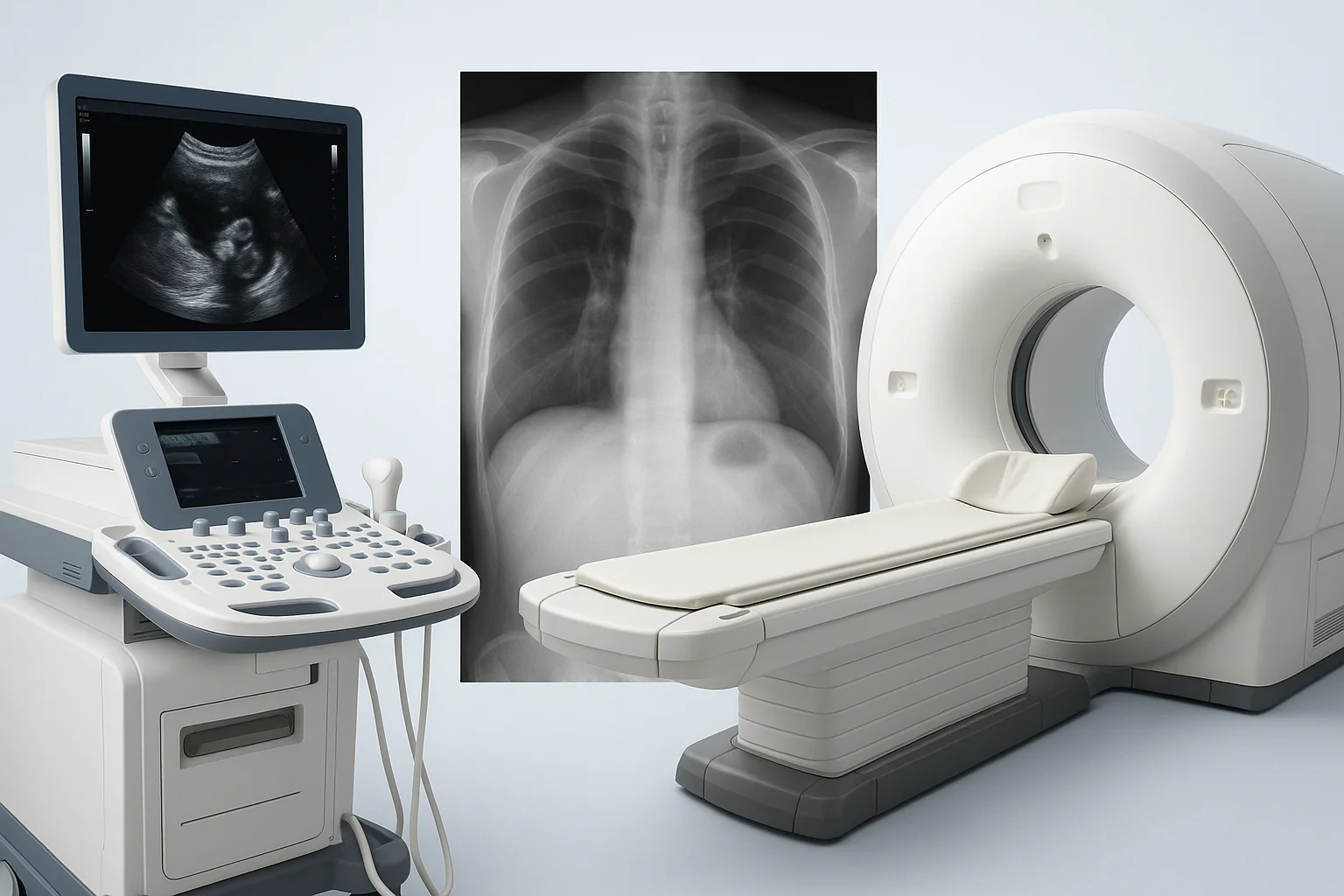
The history of medicine is marked by moments of discovery that transformed our understanding of the human body. One of the most momentous was the birth of medical imaging: the ability to see the invisible. From the first X-rays to today's systems based on artificial intelligence, the evolution of medical imaging has followed a path as surprising as it is revealing.
The beginning: a spark that lit up the bones
It all began in 1895, when Wilhelm Conrad Röntgen discovered X-rays by accident while experimenting with electrical discharge tubes. A few months later, the first radiograph —his wife's hand— ushered in a new era: that of visual medicine. For the first time, doctors could look inside the body without having to operate on it.
From then on, radiology became an essential tool, first to detect fractures and later to diagnose lung, heart and digestive diseases. Medical diagnosis was no longer based solely on symptoms: it now had tangible evidence.
From black and white to the color of life: the digital leap
During the 20th century, medical imaging underwent a quiet revolution. In the 1970s came computed axial tomography (CAT) and magnetic resonance imaging (MRI), capable of showing soft tissue and internal structures with unprecedented clarity. Later, digital ultrasound made it possible to observe organs in motion, pregnancies in real time and image-guided procedures.
Advances in computing brought the next step: digitization. Analog films were replaced by digital files stored in PACS (Picture Archiving and Communication Systems), making it possible to share images among hospitals, researchers and specialists around the world.
The present: intelligent imaging
Today, artificial intelligence is revolutionizing diagnostic imaging. Algorithms can analyze thousands of studies in seconds, detect microscopic tumors, measure anatomical structures and suggest diagnoses with almost human accuracy. AI not only speeds up results, it also reduces errors and improves medical decision-making.
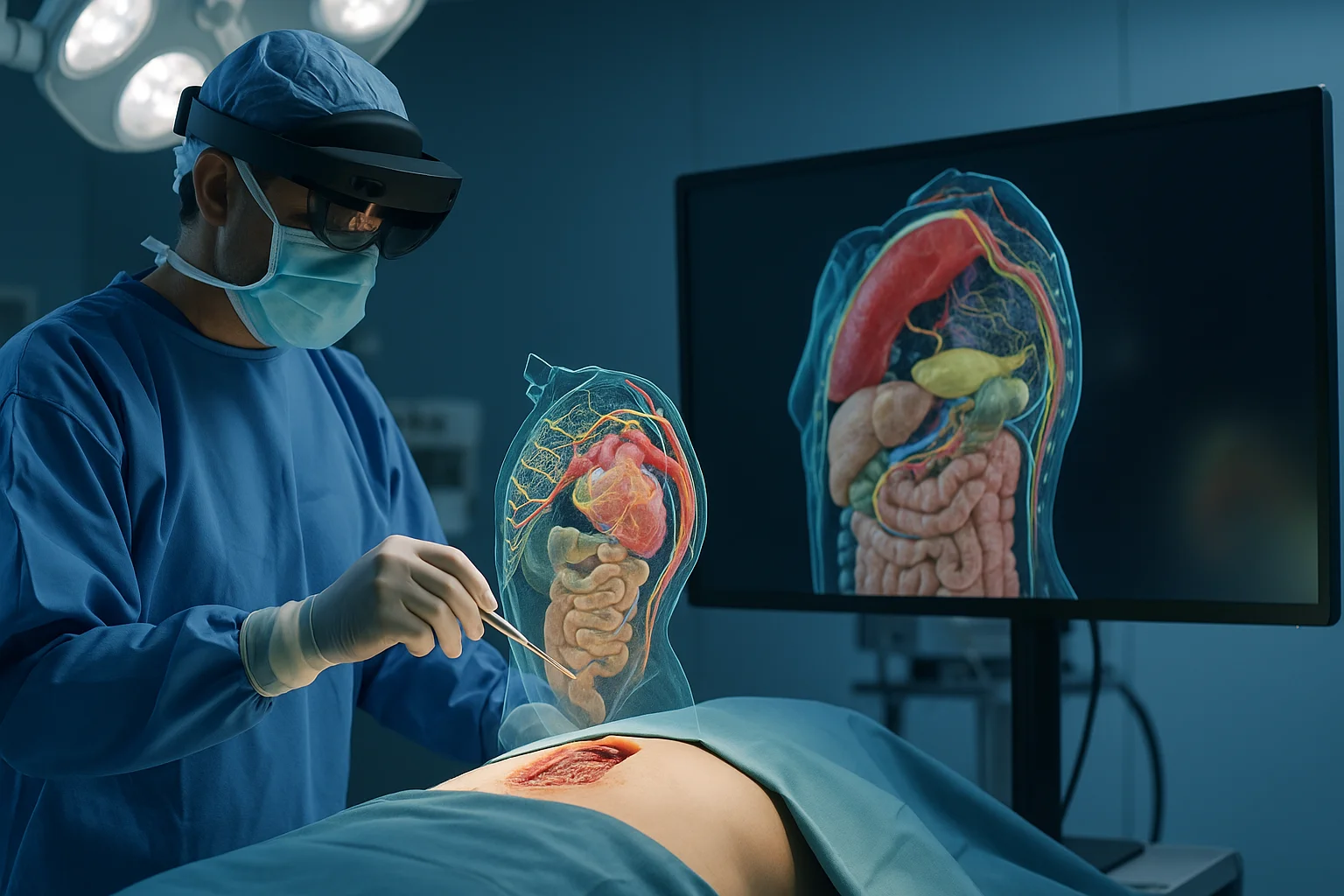
In addition, technologies such as augmented reality and 3D printing allow surgeons to plan complex procedures using models based on real images of the patient. The 21st-century operating room is as much physical as it is virtual.
The cloud and global collaboration
With the arrival of cloud computing and interoperability systems, medical images can be consulted from anywhere on the planet. A radiologist in Madrid can analyze the study of a patient in Quito, and an algorithm trained in thousands of hospitals can improve its accuracy with each new case.
This continuous exchange of information is creating a global network of medical knowledge, where data becomes collective learning.
The future: seeing before it happens
The next step is predictive imaging. By combining big data, genetics and artificial intelligence, systems will be able to anticipate diseases before they manifest physically. Images will show not only what exists, but what is to come.
In this near future, medical imaging will stop being a diagnostic tool and become a platform for personalized prevention.
Conclusion
The evolution of medical imaging systems is the story of how technology taught us to look beyond the obvious. From X-rays to artificial intelligence, each advance has brought us closer to a more precise, empathetic and predictive medicine. Today, looking inside the body is no longer just seeing organs: it is understanding life from within.
Next: PACS and RIS: the nervous system of modern radiology →
Related Articles
Keep exploring similar content.
Augmented Reality and 3D in Surgical Procedures
Augmented reality and 3D modeling are transforming how surgical procedures are planned, performed and taught, giving surgeons a digital window into the patient's anatomy.
Data Security in Digital Radiology
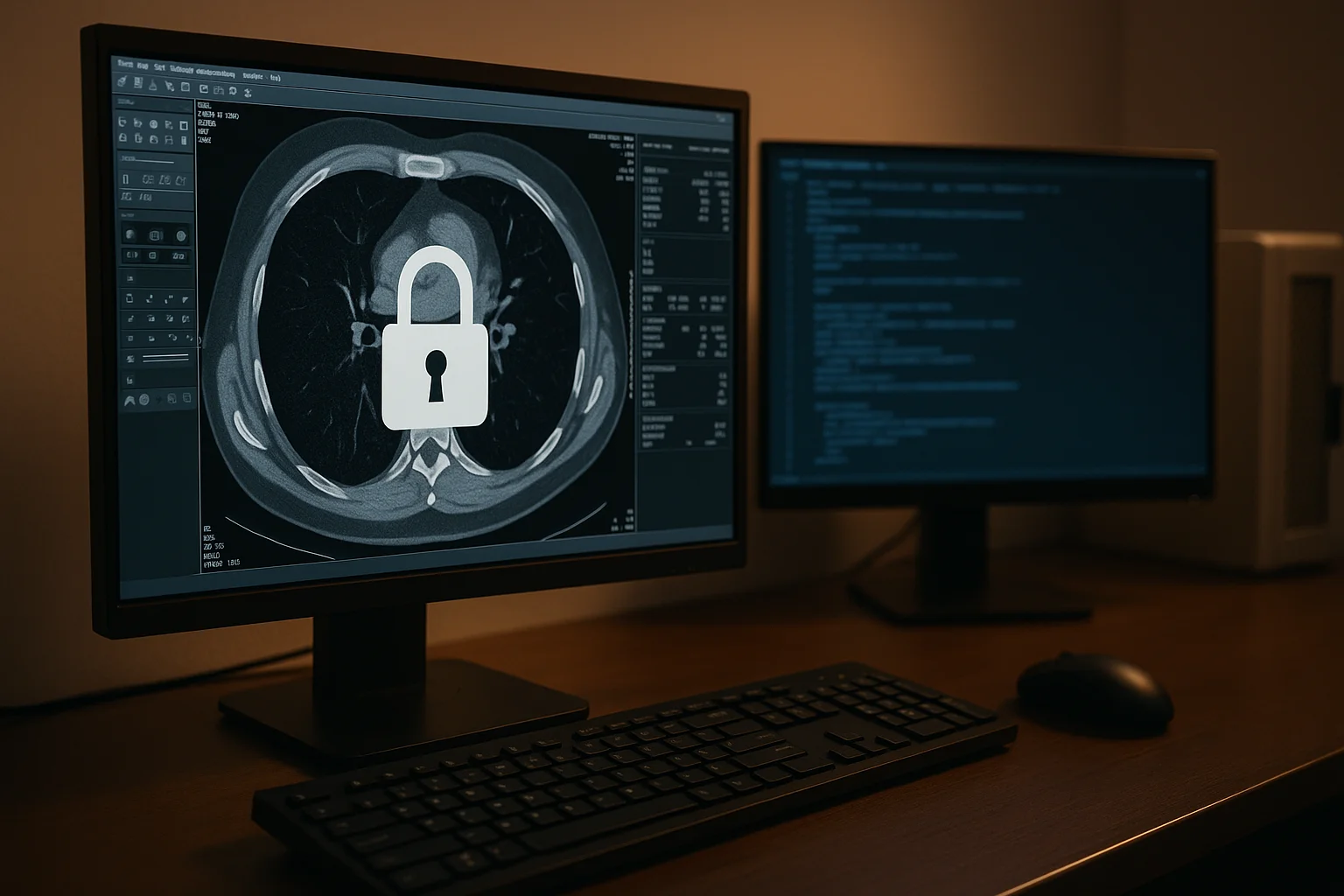
Digital radiology handles sensitive images, predictive models and valuable clinical data. Protecting this information is essential to ensure safe diagnoses, patient trust and operational continuity.
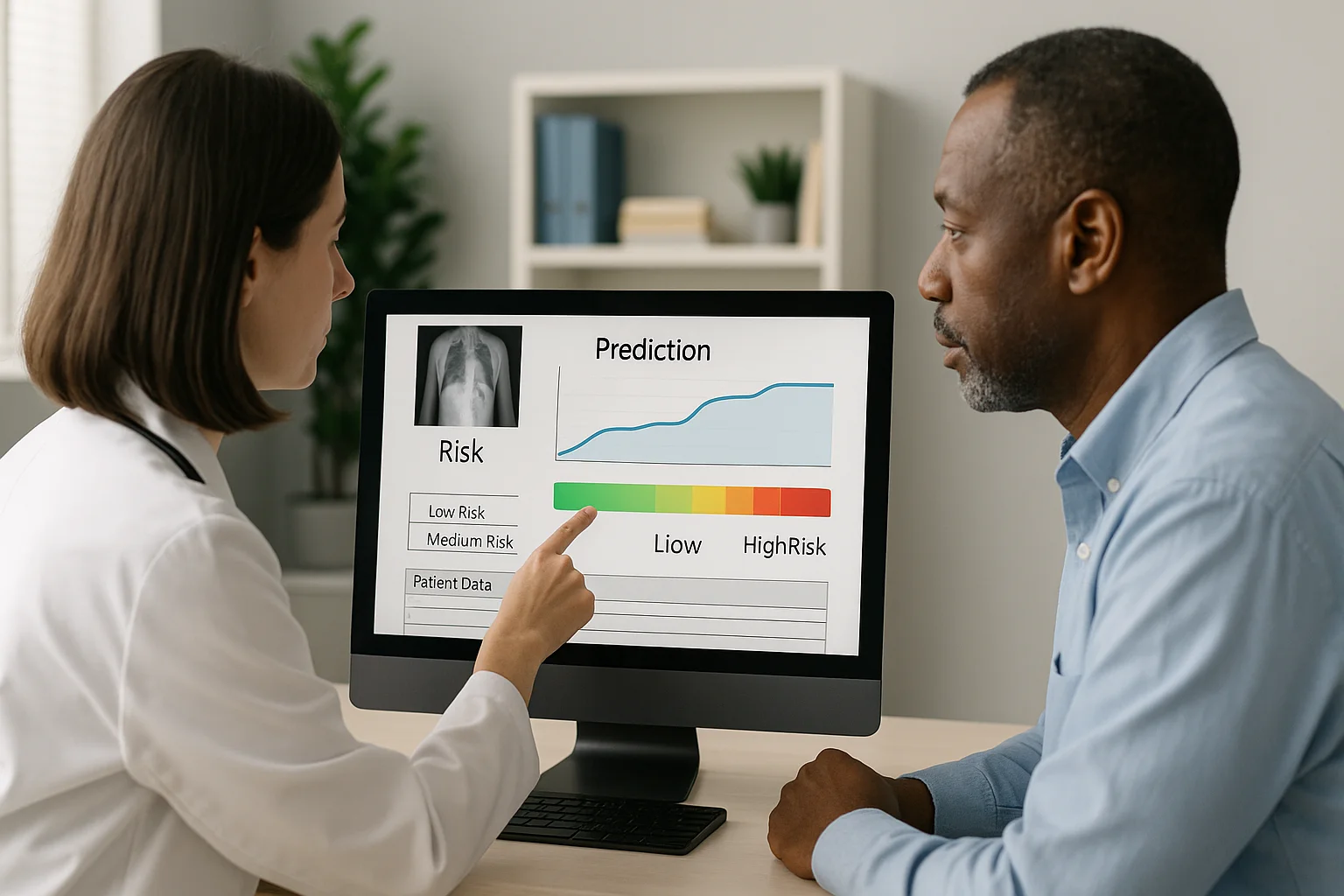
Image-Based Predictions: Medicine That Stays One Step Ahead
Thanks to artificial intelligence, medical images no longer just show what is happening, but what could happen. Predictive medicine turns every study into a tool to anticipate risks and save lives ahead of time.