
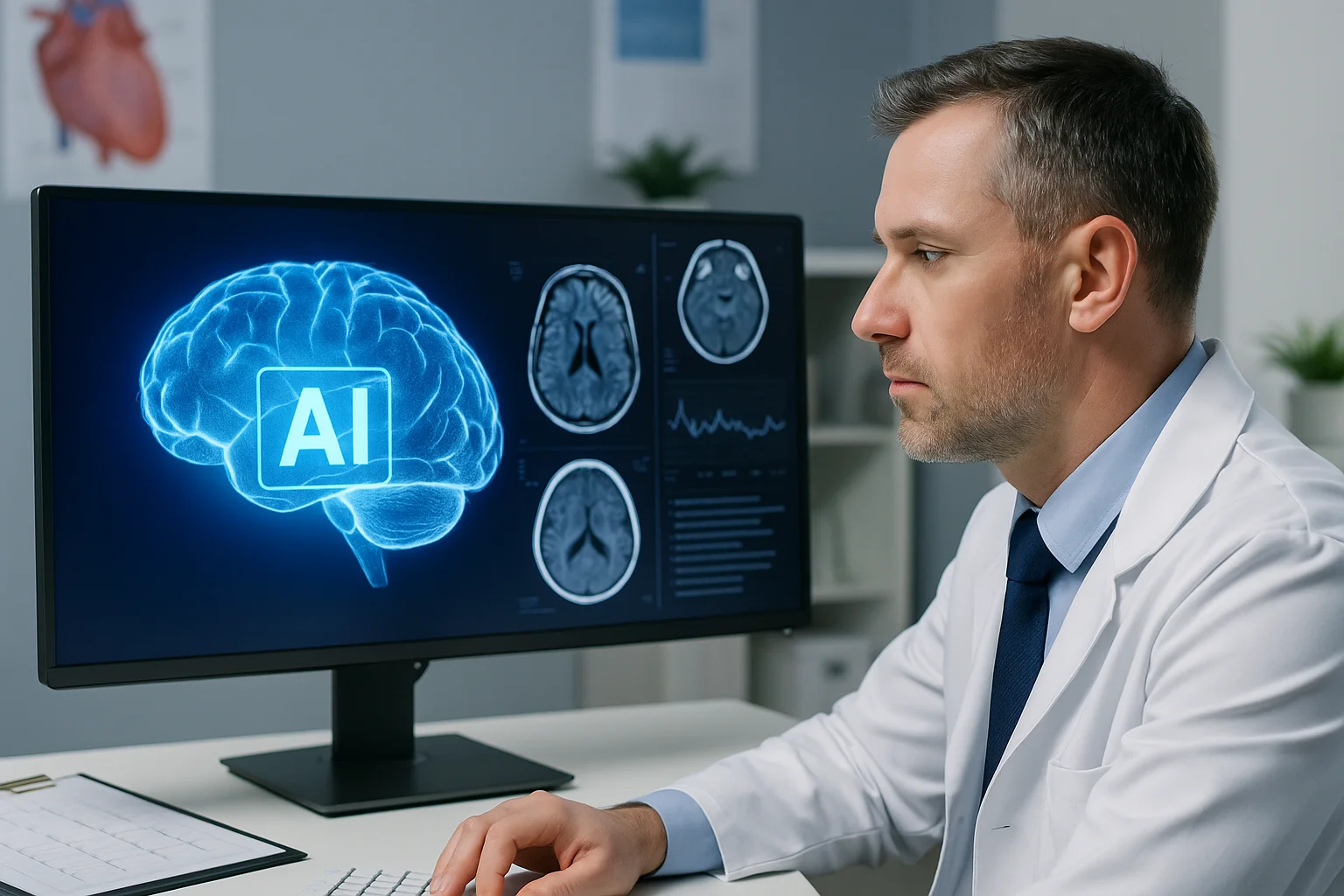
How AI Can Predict Heart Attacks, Cancer and Alzheimer's Early
In this article
How AI can predict heart attacks, cancer and Alzheimer's before they appear
Medicine is leaving behind “we got there too late” and embracing prognosis: models that detect invisible signals in ECGs, images, habits and genetics, anticipating events such as heart attack, cancer or Alzheimer's years before the first symptoms.
The difference between curing and preventing is often a matter of time. Artificial intelligence (AI) provides that extra time by recognizing microscopic patterns in data that look normal at first glance. Where the eye sees just another test, the algorithm sees a risk trajectory.
From data to early diagnosis
Current models combine electrocardiograms, MRI scans, medical history and lifestyle. With that mosaic, they estimate the probability of cardiovascular events, tumor growth or cognitive decline. In images, they detect micro-signals in tissue that still has no visible lesion; in longitudinal records, they infer subtle trends that act as an early warning.
Models using ECG + risk factors generate personalized secondary prevention alerts and optimize therapies.
Computer vision finds patterns in mammograms, CT scans or pathology before clinical manifestation.
Signals in language, sleep and working memory, combined with neuroimaging, predict early cognitive decline.
The engine: clinical Big Data
This leap is impossible without data at scale. In the article Clinical Big Data: how analyzing millions of medical records saves lives we showed how integrating millions of records boosts learning and reduces bias. Every record counts: more variety, better predictions.
From prediction to clinical action
Prediction is only useful if it leads to decisions. Modern systems deliver explanations (which variables weighed most), a risk threshold and recommendations (screening, therapeutic change, follow-up). The doctor stays at the helm; AI adds the altimeter and radar.
What comes next
The next decade will consolidate multimodal models (text, image, signals) and predictive hospitals that anticipate complications. The result: fewer avoidable admissions, earlier therapies and a longer quality of life.
Prevention will be the best medicine, and AI its precision instrument.
← Previous: Clinical Big Data: how analyzing millions of medical records saves lives
Next: →
Related Articles
Keep exploring similar content.
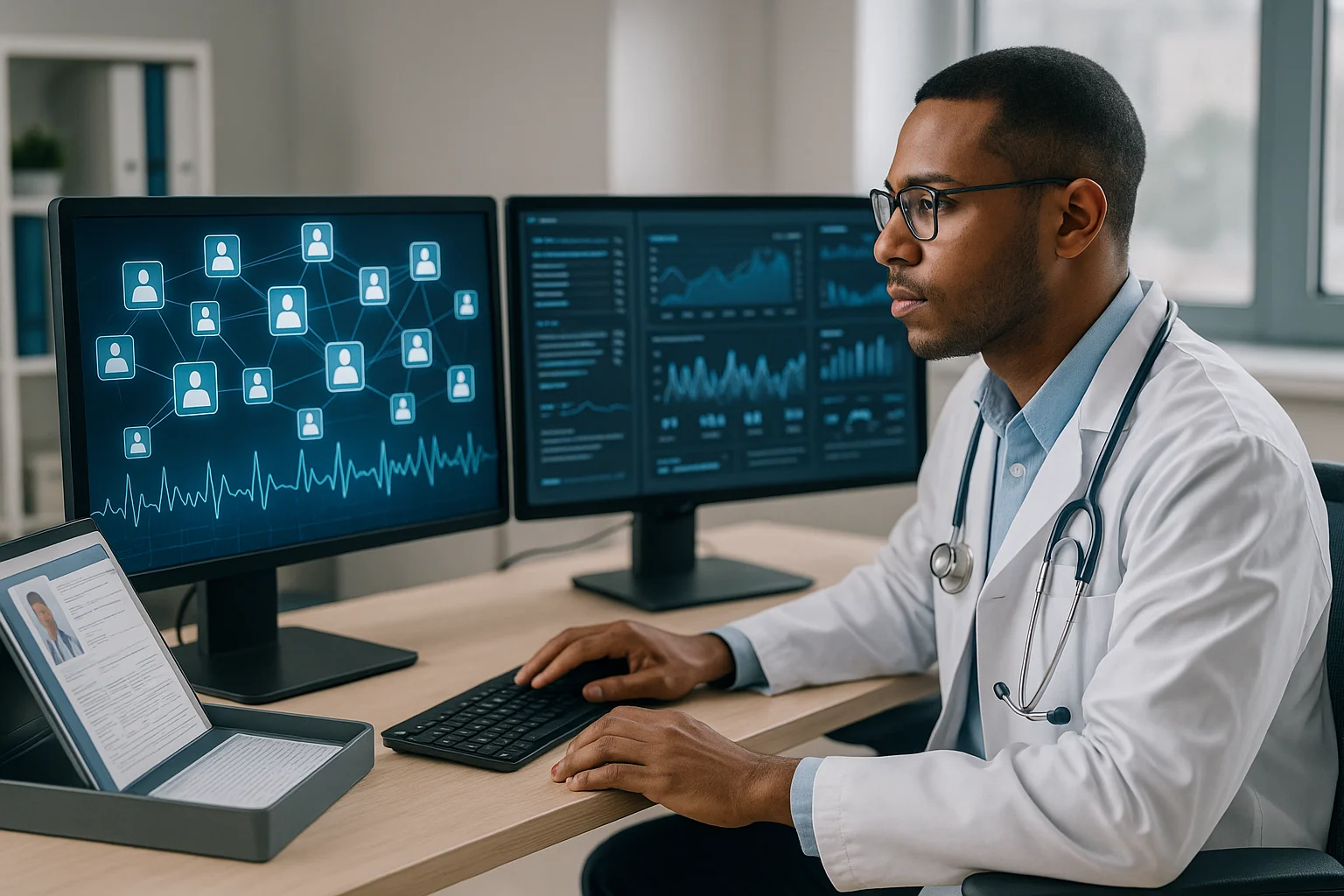
Clinical Big Data: How Analyzing Millions of Records Saves Lives
Clinical Big Data is transforming modern medicine. Analyzing millions of medical records makes it possible to detect invisible patterns, anticipate diseases and save lives before symptoms appear.
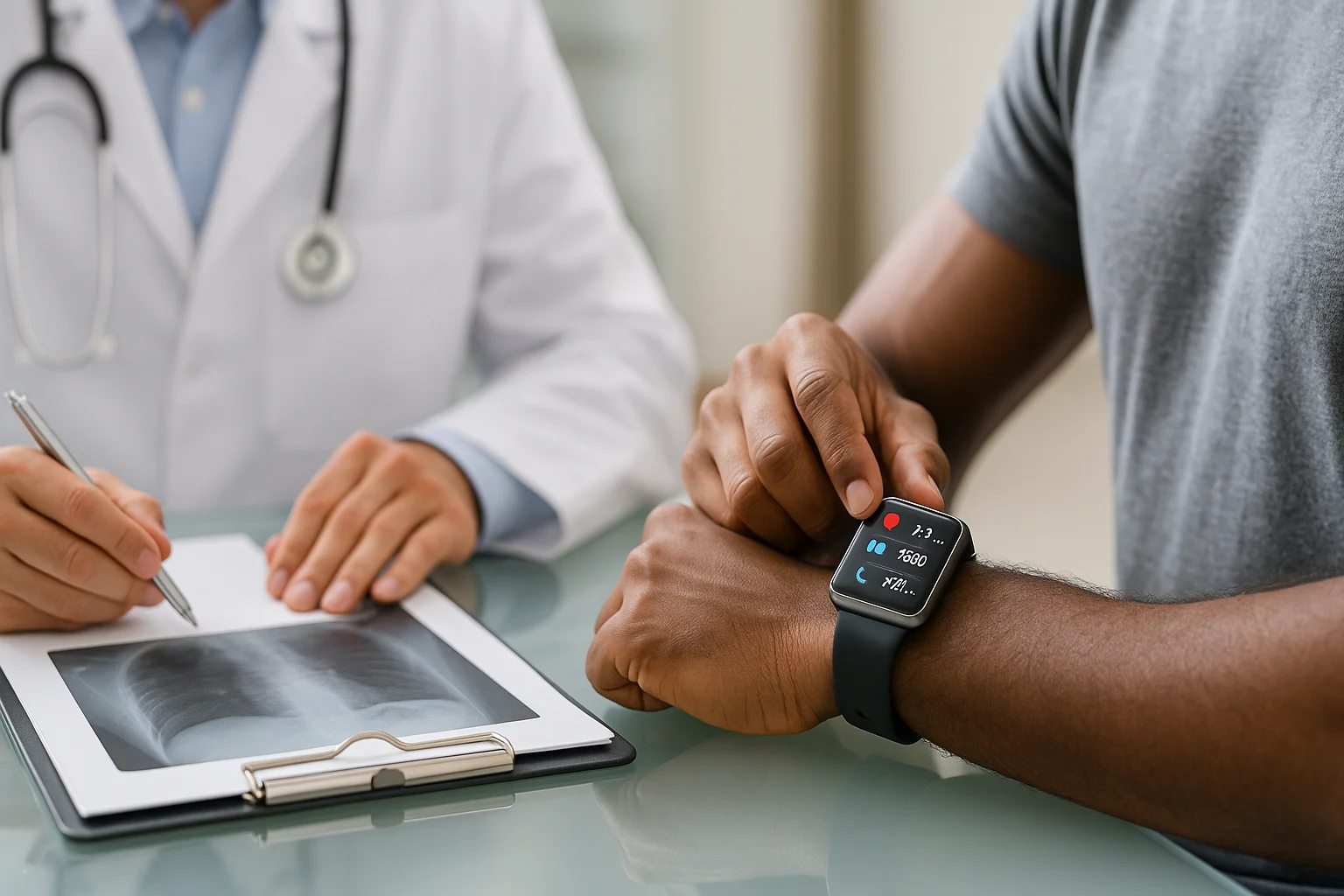
The Evolution of Care: From Curing Diseases to Preventing Them
Medicine has changed course: today it seeks not only to cure but to keep us from getting sick. Prevention, technology and self-care are rewriting the story of human well-being.

Cybersecurity for SMEs in Ecuador: Comply with the LOPDP and Cybersecurity Law
SMEs in Ecuador face new legal obligations with the enforcement of the LOPDP and the recent Organic Law for Strengthening Cybersecurity. This article explains how to comply with these regulations to protect personal data and avoid penalties.